
There is a question that sits behind almost every B2B content strategy conversation: how much LinkedIn content is actually enough?
Some brands default to volume. Others hold back, worried about over-posting or diluting quality. Most sit somewhere in between, posting inconsistently and hoping something lands.
The reality is more nuanced. Growth on LinkedIn is not dictated by how much you post in isolation, but by how consistently you show up with relevant, experience-led content that compounds over time. The brands that win are not those producing the most content, but those operating with clarity, structure, and repeatability.
This guide breaks down how much content B2B brands realistically need, how to think about cadence, and what “enough” looks like when growth, not vanity metrics, is the goal.
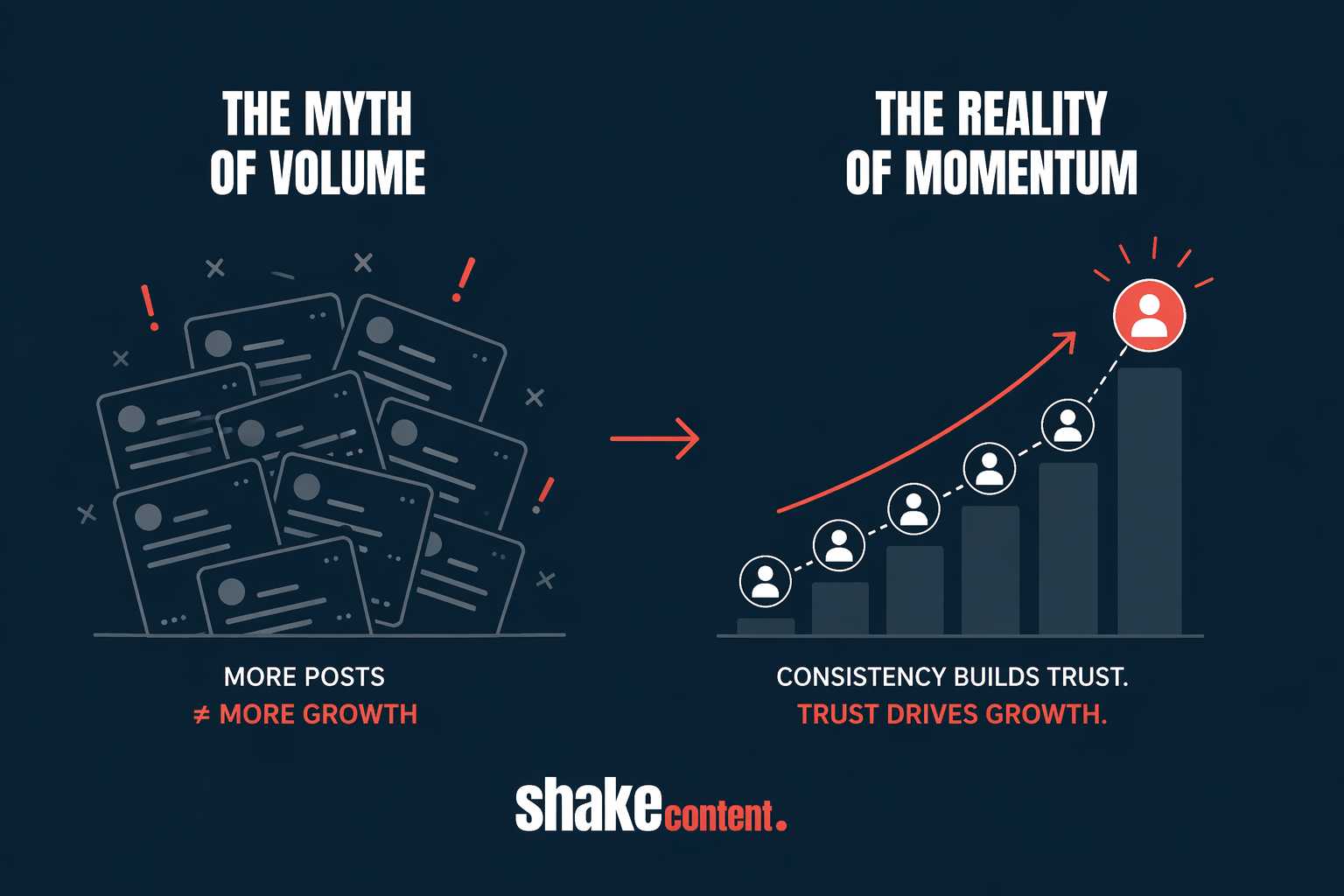
There is a persistent assumption that more content equals more growth. In practice, volume without direction rarely delivers meaningful results.
LinkedIn’s distribution model rewards signals of consistency, relevance, and engagement. Posting ten times in one week and disappearing the next does not build those signals. What matters is sustained presence.
This is why many high-performing brands align more closely with the principle of consistency over virality. It’s one of the actual practices B2B brands use to win on LinkedIn. Momentum is built through repeated exposure to valuable ideas, not occasional spikes of attention.
Content on LinkedIn behaves more like a compounding asset than a campaign. Each post strengthens brand recall, reinforces positioning, and increases the likelihood that future posts are seen and engaged with.
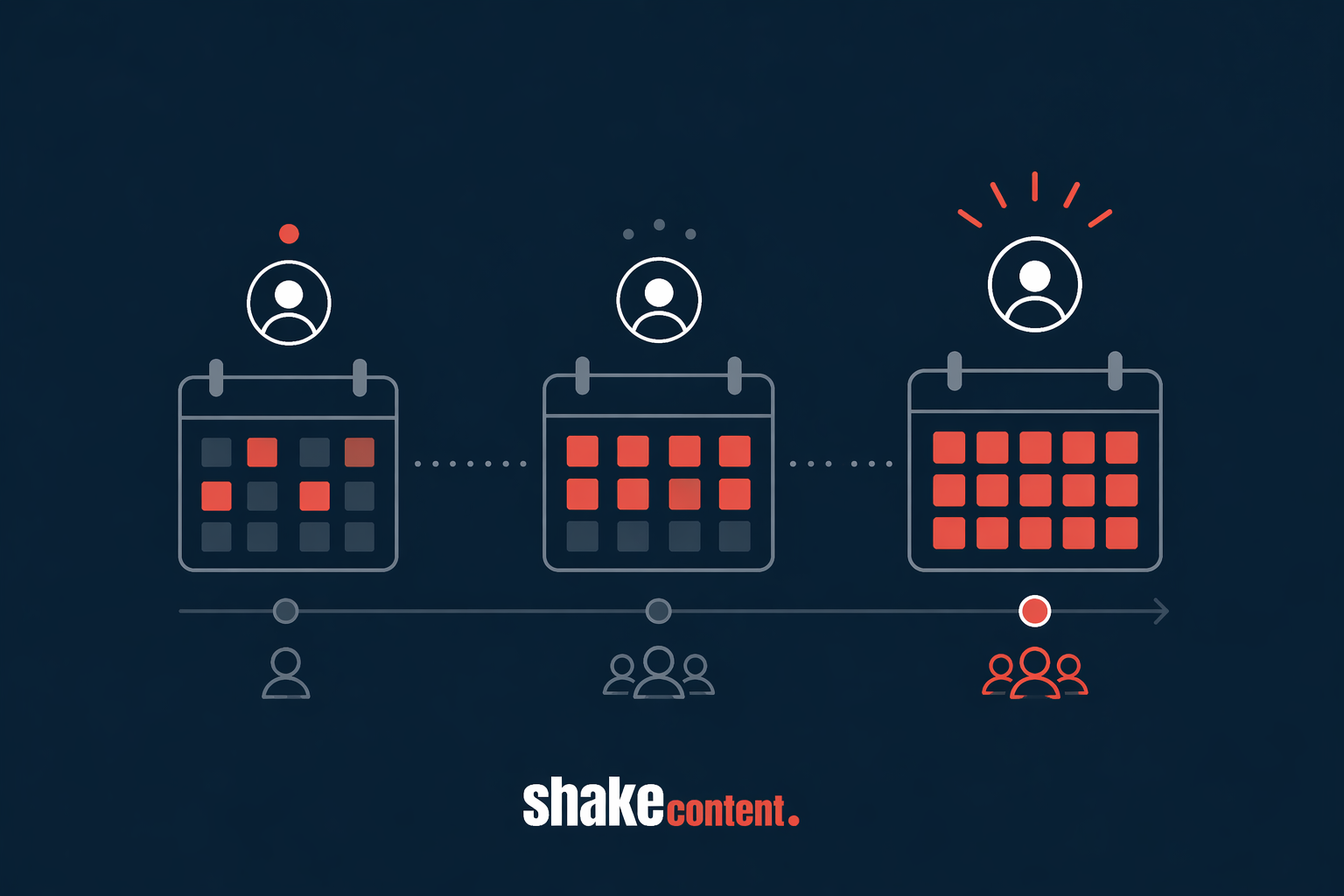
The right amount of content is not a fixed number. It depends on your growth stage, internal resources, and strategic intent.
However, most B2B brands fall into a predictable range:
The key is not hitting a number. It is sustaining a cadence that allows your audience to build familiarity with your thinking.
This is where many brands struggle. They approach content as output rather than infrastructure. Without a system, consistency becomes difficult. Without consistency, growth becomes unpredictable.
Frameworks like the CRIT method exist to solve this problem by turning everyday thinking into structured, repeatable content.
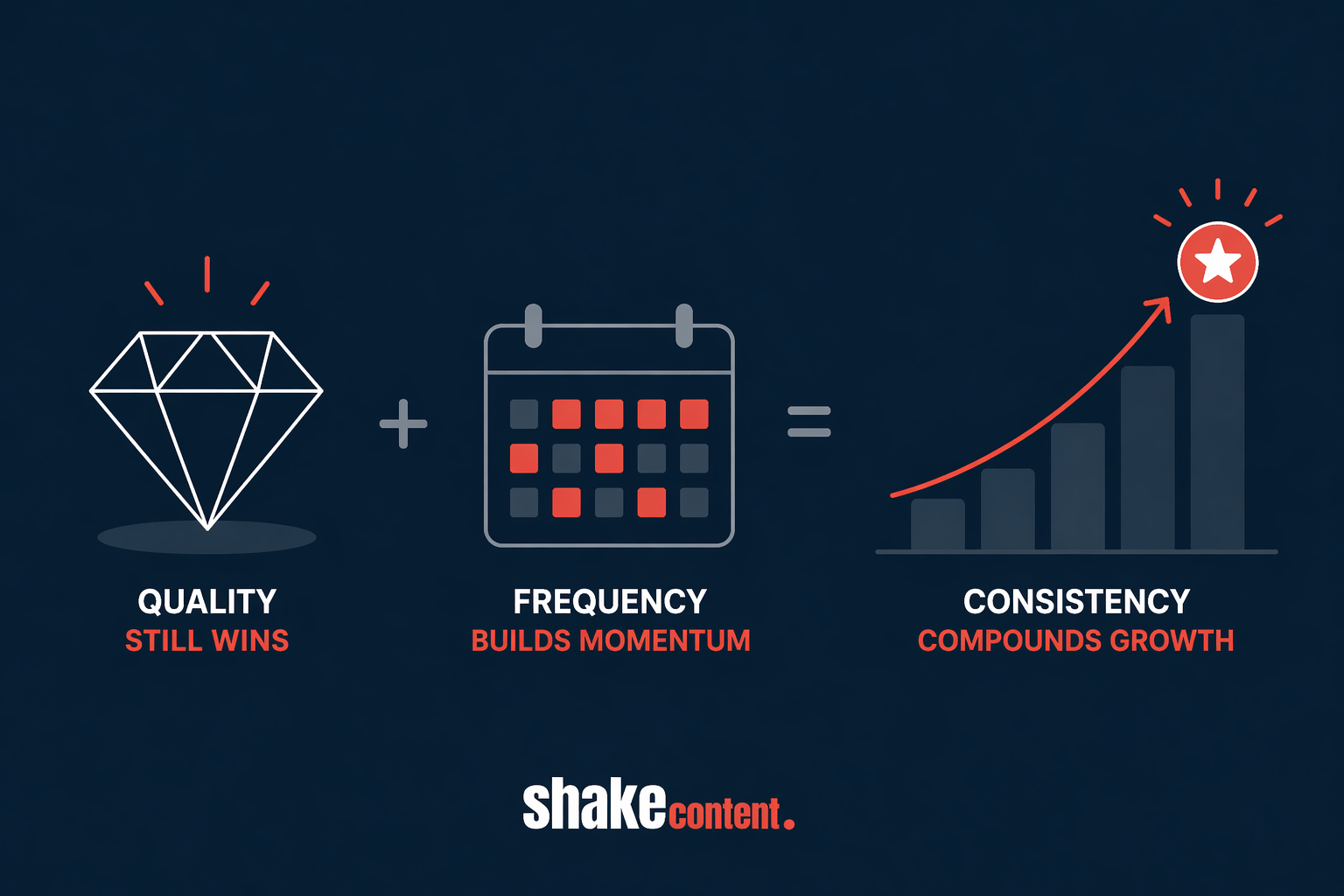
It is easy to default to the idea that quality matters more than quantity. While true in principle, quality alone does not create growth if it is not seen often enough.
A well-crafted post that appears once every two weeks cannot build momentum. Equally, frequent low-value posts will erode credibility.
The balance sits in producing consistently useful content that reflects real experience. This aligns closely with the thinking behind the core elements of a high-performing B2B LinkedIn post, where clarity, relevance, and perspective matter more than performative writing.
The brands that scale effectively do not choose between quality and frequency. They build systems that allow both to coexist.
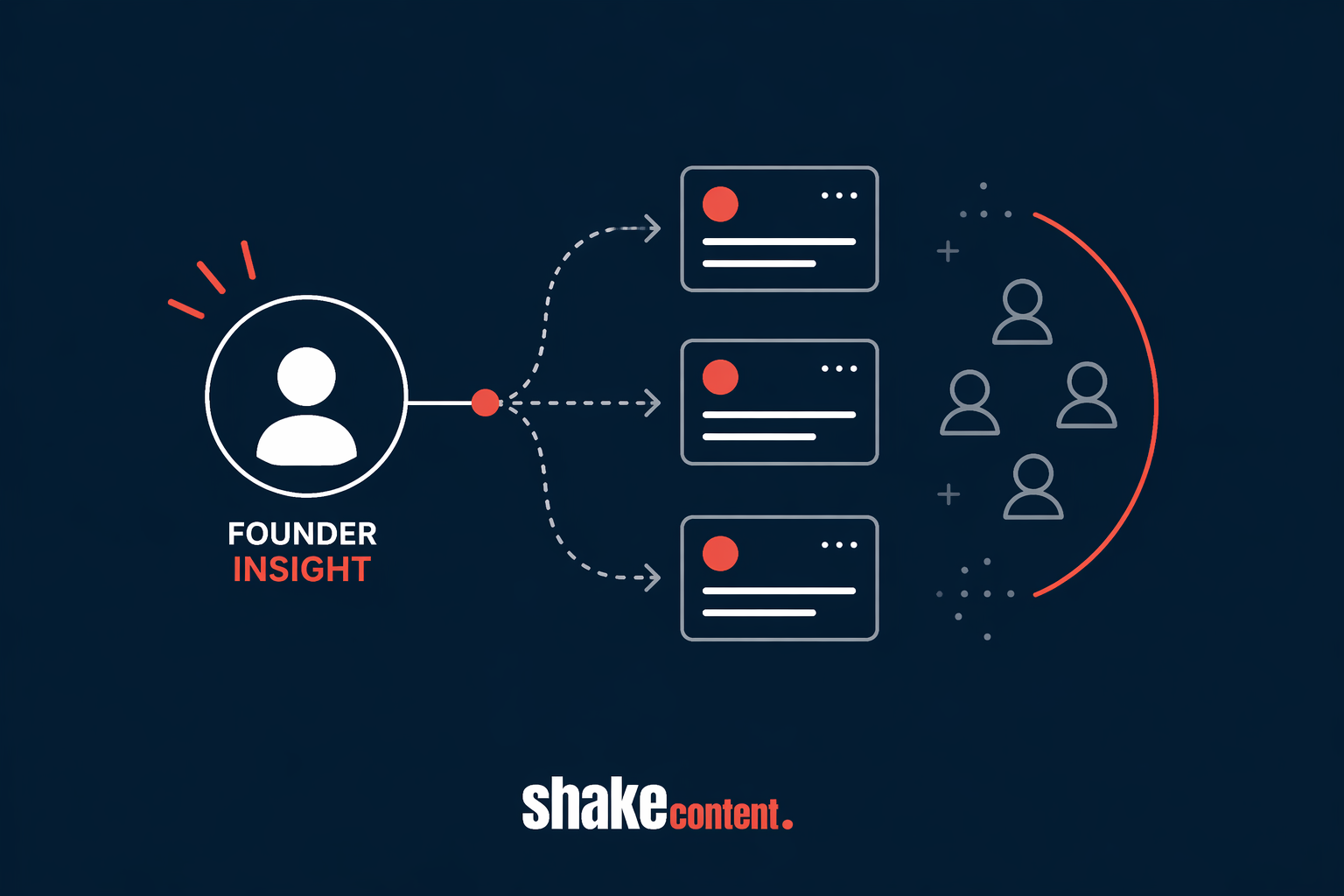
For many B2B companies, particularly in early and growth stages, founder-led content drives disproportionate impact.
Audiences engage with people more than logos. Founder perspectives carry weight because they reflect lived experience, decision-making, and accountability.
However, founder content does not mean becoming an “influencer”. It means translating insight into structured communication.
When founders build a repeatable process for capturing and expressing their thinking, content volume becomes far easier to sustain without compromising quality.
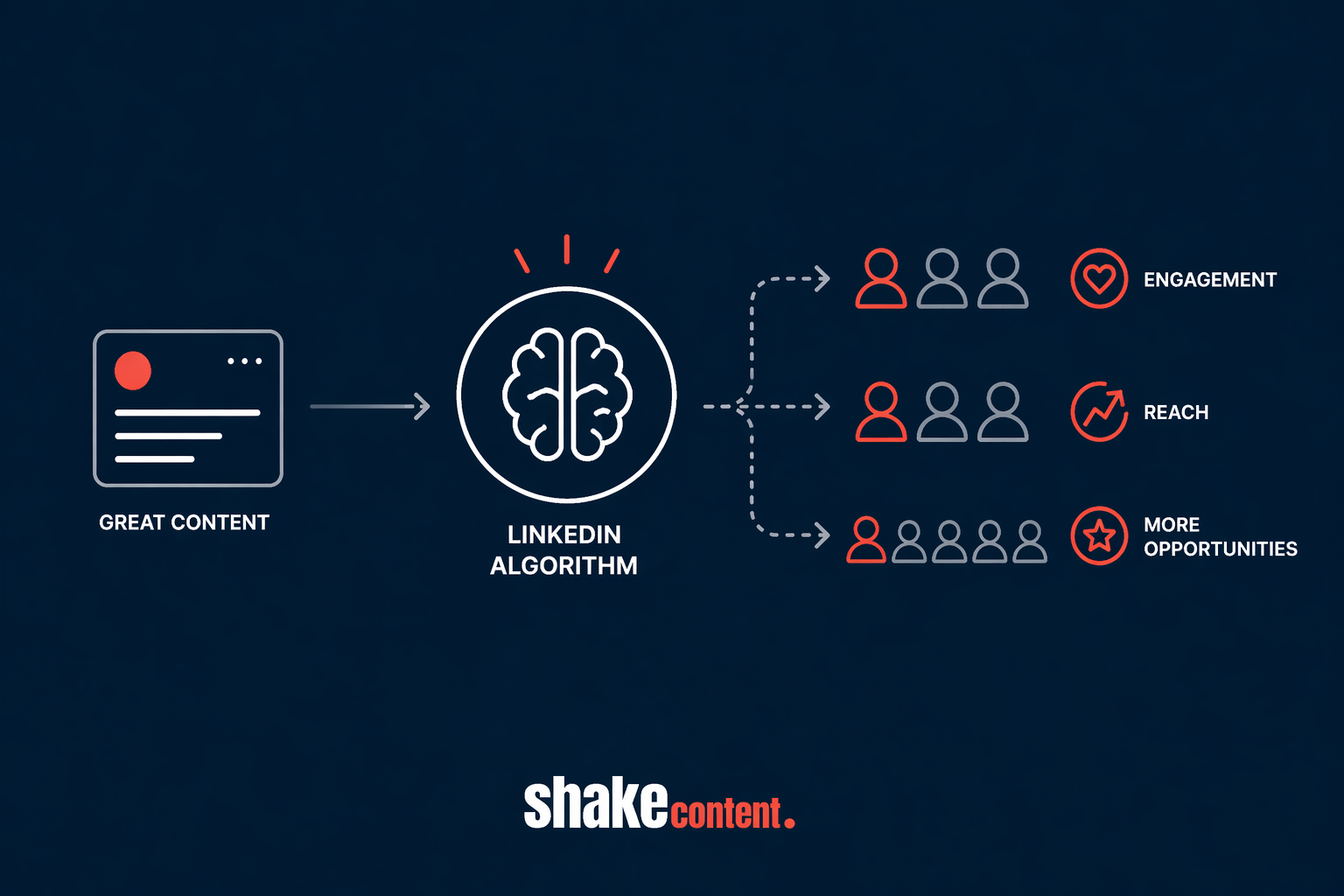
Many brands overcomplicate LinkedIn growth by focusing too heavily on algorithm tactics.
While it is important to understand distribution mechanics, the fundamentals remain simple: content that generates meaningful engagement gets shown to more people.
The most reliable way to work with the algorithm is to produce content that people genuinely engage with. That typically comes from clarity of thinking, not formatting tricks.
Sustainable output requires more than motivation. It requires structure.
High-performing B2B brands treat LinkedIn as an operating system rather than a channel. They define content pillars, create processes for capturing insights, and build workflows that make publishing repeatable.
Without this system, content becomes reactive. With it, content becomes predictable, scalable, and far less resource-intensive.
Over time, this builds recognition. Not just of the brand, but of the thinking behind it.
Markets like the UK have already demonstrated how this approach matures. Influence is rarely the result of isolated posts. It is the outcome of sustained visibility and clear positioning.
There is no perfect number of posts that guarantees growth on LinkedIn.
What matters is building a system that allows you to show up consistently with something worth saying. When that system is in place, content stops feeling like an obligation and starts functioning as a long-term growth asset.
That is where most B2B brands see the shift.
Most B2B companies see consistent growth when posting between three and five times per week. The exact frequency depends on resources and strategy, but consistency matters more than volume.
Both matter. High-quality content needs sufficient frequency to compound. Without consistency, even strong content struggles to build momentum.
Yes. Founder-led content often drives higher engagement because it reflects real experience and perspective. It also humanises the brand.
It can if quality drops or content becomes repetitive. However, most brands under-post rather than over-post.
Typically, meaningful results begin to appear after several weeks of consistent posting. However, compounding effects often become more noticeable over three to six months.


